

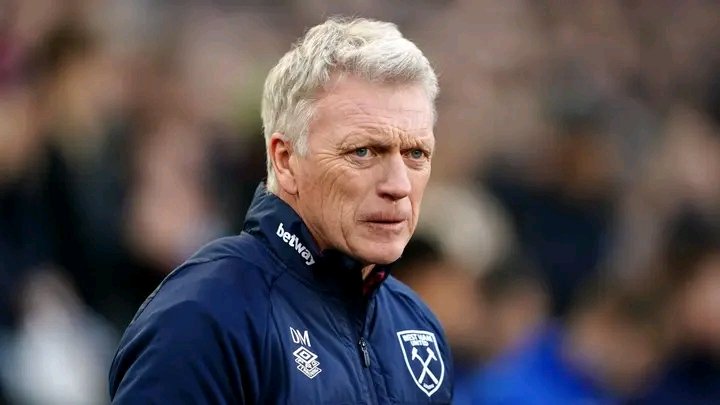
The football world has been plunged into stunned silence with the **shocking announcement** that Everton head coach David Moyes has made the gut-wrenching decision to resign—effective immediately—in a move that has left the entire squad, staff, and fanbase reeling in disbelief. After steering the Toffees through turbulent waters, rescuing them from the brink of relegation in his second coming, and guiding them toward mid-table stability and even European whispers at the new Hill Dickinson Stadium, the veteran Scot has walked away. The Friedkin Group, Everton’s ownership, has accepted his resignation boldly and without resistance, issuing a measured club statement that acknowledges his contributions while signaling the dawn of a new chapter.
Goodison Park—no, Hill Dickinson—feels emptier tonight. The echoes of “Moyes, Moyes” chants from packed stands during those gritty survival wins now ring hollow. Players who trusted his no-nonsense leadership, his tactical nous that turned defensive solidity into points, are said to be devastated in the dressing room. Veterans like Seamus Coleman and new-era stars alike have lost a mentor who demanded everything but gave loyalty in return. Whispers of boardroom tensions swirl: PSR constraints biting hard, stadium transition struggles sapping home advantage, clashes over transfer ambition in a window where big moves never materialized. Moyes, ever the pragmatist, reportedly felt he could no longer deliver the progress the club—and he—demanded. “I can’t continue,” the statement reads in part, a line that hits like a dagger for fans who saw him as the steady hand in chaos.
This isn’t Moyes’s first farewell to Everton. Back in 2013, he left for Manchester United amid tears and tributes after 11 transformative years that elevated the club from mid-table obscurity to consistent top-six challengers. That exit ended an era of stability; the Toffees endured a carousel of managers since. His return in January 2025—succeeding the sacked Sean Dyche—was meant to be the full-circle redemption. He dragged Everton from relegation danger, instilled discipline, maximized limited resources, and built a resilient unit that punched above its weight. Wins over big sides, draws ground out with heart, a squad that believed again. Yet the scars of financial fair play punishments, the move from the beloved Goodison cauldron to the vast new home, and inconsistent form eroded the magic. Recent results—a string of draws mixed with frustrating defeats—left Moyes questioning his future.
The Friedkin Group’s response is telling: no frantic counter-offer, no extension talks leaked. They accept “boldly,” praising his “dedication and achievements” while pivoting to the search for fresh energy. Speculation explodes: Will Wayne Rooney return as a romantic homecoming? Brendan Rodgers, with his trophy pedigree? Or a bold foreign appointment to inject flair into a pragmatic setup? Fans are torn—some rage at the timing, others nod in grim understanding that football demands evolution. Social media erupts with tributes: candle emojis for the man who saved them twice, memes mourning “boring but effective” football that kept the lights on.
For Moyes himself, this resignation carries echoes of past pain. He quit Sunderland in 2017 after relegation to spare the club compensation costs, a selfless act that left him “sickened” by the game’s cruelty. Now, at 63, he steps away again—not in disgrace, but perhaps in exhaustion from battling constraints. His legacy at Everton is secure: the first spell built foundations; the second provided salvation. He leaves with dignity, no messy sacking, just a quiet exit that hurts because it’s voluntary.
The squad feels the blow hardest. Training sessions will feel strange without his gravelly Scottish commands, his meticulous video analysis, his ability to rally men when hope flickered. Young talents who flourished under his guidance now face uncertainty. The dressing room, once united in survival mode, must regroup fast—fixtures don’t wait. Next match looms like a test of character: Can they honor their departing boss with fight, or will the void expose fragility?
Evertonians gather online and in pubs, sharing stories. The gritty 1-0 wins, the late equalizers, the way he fronted up after tough losses. “He gave us belief when we had none,” one fan posts. Another: “We needed stability—he delivered. Now what?” The Friedkin era promised ambition; this resignation forces acceleration. A new manager means new philosophy, new recruits, perhaps a stylistic shift from Moyes’s disciplined, counter-attacking blueprint to something more expansive.
Yet amid the shock, there’s reluctant respect. Moyes never chased headlines; he chased results. He navigated storms few could—relegation battles, points deductions, ownership transitions. His departure isn’t dramatic fireworks but a poignant fade-out, the kind that lingers.
Everton stands at a crossroads. The Hill Dickinson Stadium, still finding its soul, will host its first post-Moyes chapter. The Toffees faithful—famous for loyalty through hardship—will rally, as always. But tonight, blue hearts ache.
Thank you, David Moyes. For the memories, the miracles, the sheer bloody-minded resilience. You hurt us by leaving, but you healed us first.
The search begins. The pain is real. But Everton endures—because that’s what Toffees do.
