

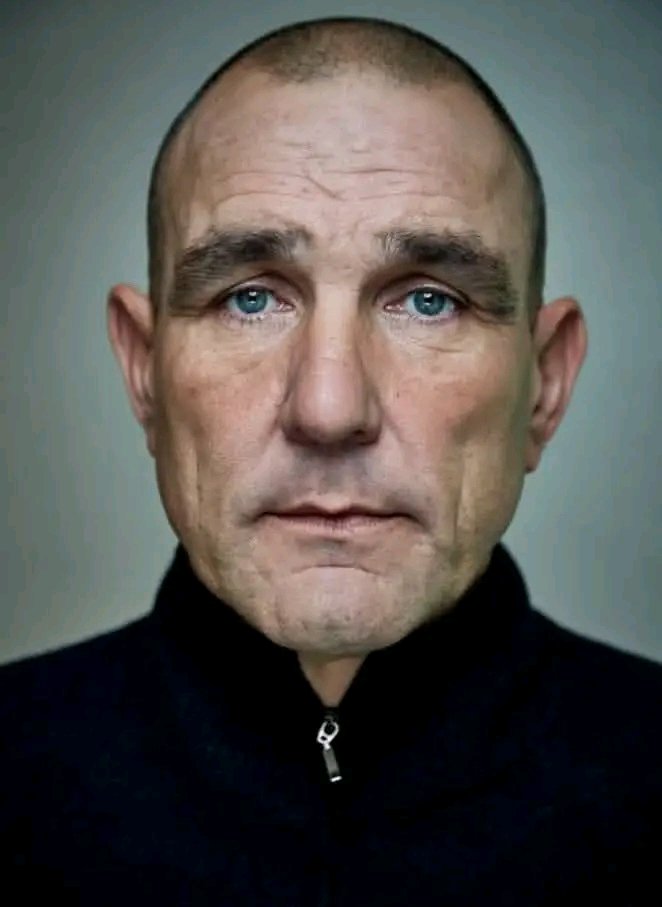
Leeds Legend Vinnie Jones Returns to Leeds United in New Role
There are certain players who don’t just represent a football club—they embody its identity. For Leeds United, few figures capture that spirit quite like Vinnie Jones. Known for his uncompromising style, relentless work ethic, and fierce loyalty, Jones remains one of the most symbolic figures of a defining era in the club’s history.
Now, in a move that feels both nostalgic and purposeful, Jones is returning to Leeds United in a new role—one that reconnects the club with its hard-edged heritage while looking toward the future. While the exact scope of his position is still being clarified, the intention behind the appointment is clear: to reintroduce a mentality that many fans feel has been missing in modern football.
Jones was never the most technically gifted player on the pitch, but that was never the point. His game was built on intensity, physical presence, and a refusal to back down. During his time at Leeds in the late 1980s and early 1990s, he became a key figure in a squad that fought its way back to prominence, helping the club secure promotion and re-establish itself as a force in English football.
His famous quote—“I would run through a brick wall for Leeds”—isn’t just a line; it’s a philosophy. It reflects a mentality that supporters still hold dear: commitment over comfort, effort over elegance. In many ways, Jones represented the emotional contract between club and fans—give everything, no matter the circumstances.
This return comes at an interesting time for Leeds United. Like many historic clubs, Leeds has faced fluctuations in performance, identity, and long-term direction. Modern football often leans toward tactical systems, analytics, and global branding, sometimes at the expense of raw, emotional connection. Bringing back a figure like Jones signals a desire to rebalance that equation.
From a structural perspective, roles like this—often ambassadorial, mentoring, or advisory—are less about day-to-day operations and more about cultural reinforcement. Jones’ presence around the club could influence younger players, reminding them of what it means to wear the shirt. It’s not just about results; it’s about representing a legacy.
There’s also a broader strategic angle. Clubs increasingly recognize the value of reconnecting with their history to strengthen fan engagement. Supporters don’t just follow teams—they follow stories, identities, and traditions. Jones is a living bridge to a period many fans still revere, and his return taps directly into that emotional reservoir.
Of course, there will be questions about how this translates into tangible impact. Football has evolved significantly since Jones last played, and the demands of the modern game are different. But influence isn’t always measured in tactics or statistics. Sometimes, it’s about presence, standards, and belief.
For Leeds fans, this move will likely feel like a restoration of something familiar. A reminder of a time when grit defined success and players wore their commitment visibly. Whether on the training ground, in the dressing room, or representing the club publicly, Jones brings with him a mindset that aligns closely with the club’s traditional identity.
Ultimately, this isn’t just about bringing back a former player. It’s about reasserting what Leeds United stands for. In an era where football can sometimes feel overly polished, the return of Vinnie Jones introduces something raw, direct, and unmistakably authentic.
And if his words are anything to go by, one thing is certain: the passion hasn’t faded.
