

🚨 SHOCKING MOVE OFF THE PITCH AT LEEDS UNITED
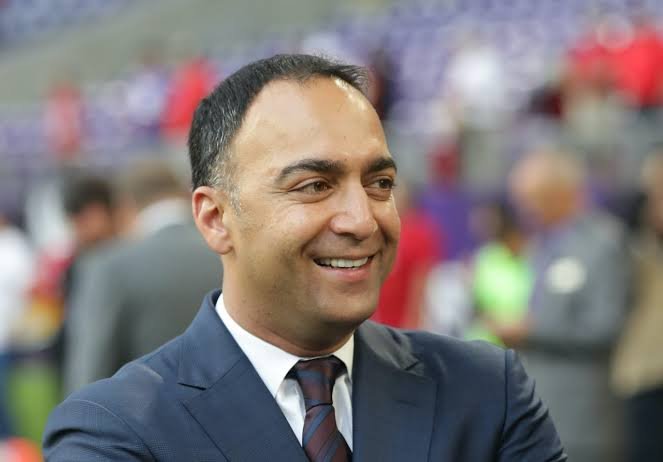
In a development that has taken many fans by surprise, Leeds United chairman Paraag Marathe has reportedly made a bold and unusual contribution to the club—donating two state-of-the-art luxury team buses.
While headlines are often dominated by transfers, tactics, and matchday drama, this move shifts the spotlight to something rarely discussed: player comfort and the behind-the-scenes infrastructure that supports performance at the highest level.
According to early reports, the buses are designed with premium features tailored for elite athletes. From spacious seating and recovery-friendly layouts to advanced onboard facilities, the aim is clear—reduce travel fatigue and enhance player readiness. In modern football, where marginal gains can define a season, even travel conditions are being optimized.
This gesture is already sparking debate across the Leeds fanbase.
Some supporters see it as a strong signal of commitment from Marathe and the ownership group. Since the 49ers Enterprises takeover, there has been growing scrutiny over how the club plans to rebuild, compete, and eventually return to the Premier League. Investments like this, though unconventional, suggest a long-term vision focused on professionalism and player welfare.
Others, however, are more skeptical.
Critics argue that while luxury buses are a nice addition, they don’t address the more pressing needs on the pitch. Squad depth, consistency, and results remain the top priorities for fans eager to see Leeds competing at the highest level again. For them, gestures like this risk being viewed as symbolic rather than impactful.
Still, in today’s game, the lines between performance and preparation are thinner than ever.
Top clubs around the world invest heavily in sports science, recovery technology, and elite travel arrangements. The logic is simple: better-rested players perform better. Reduced fatigue can mean sharper decision-making, fewer injuries, and improved consistency over a long season.
If that philosophy is what’s driving this move, then Marathe’s decision could be more calculated than it first appears.
There’s also a cultural dimension to consider. Acts like this can influence dressing room morale. When players feel valued and supported, it often translates into stronger unity and motivation. Small details—like how a team travels—can quietly shape the environment within a club.
For Leeds United, a club with a passionate fanbase and a history built on identity and resilience, these moments matter. They become part of a broader narrative about where the club is heading and how it intends to get there.
So, is this a masterstroke in modern football management or a distraction from more urgent priorities?
That’s the question now being debated among supporters.
One thing is certain: this is not your typical football story. And whether fans love it or question it, Paraag Marathe has once again ensured that Leeds United remains firmly in the conversation.
What do you think—smart investment or misplaced focus?
